Religious tattoo symbolism is deeply intertwined with faith, cultural heritage, and personal spiritual journeys. These markings often represent devotion, protection—a connection to something larger than yourself.
Common Religious Motifs Across Cultures
Let’s take a look at some common symbols found in different cultures. It's fascinating how diverse these expressions of faith can be.
Christianity
The cross, perhaps the most recognizable symbol, embodies sacrifice, redemption, and unwavering faith in Jesus Christ. You’ll also see the fish (Ichthys), an early Christian identifier, and depictions of angels—representing divine messengers and protection.
Islam
In Islam, calligraphy featuring verses from the Quran carries immense significance. The crescent moon and star are common symbols, reflecting a connection to the lunar calendar and divine guidance. And for protection against negativity, you might see the Hamsa hand.
Hinduism
The Om symbol holds a particularly sacred place in Hindu practice; it represents Brahman, the ultimate reality. Deities like Ganesha—known as the remover of obstacles—and Lakshmi, the goddess of prosperity, are frequently depicted. Mandalas, too, symbolize the cosmos and spiritual wholeness.
African Traditional Religions
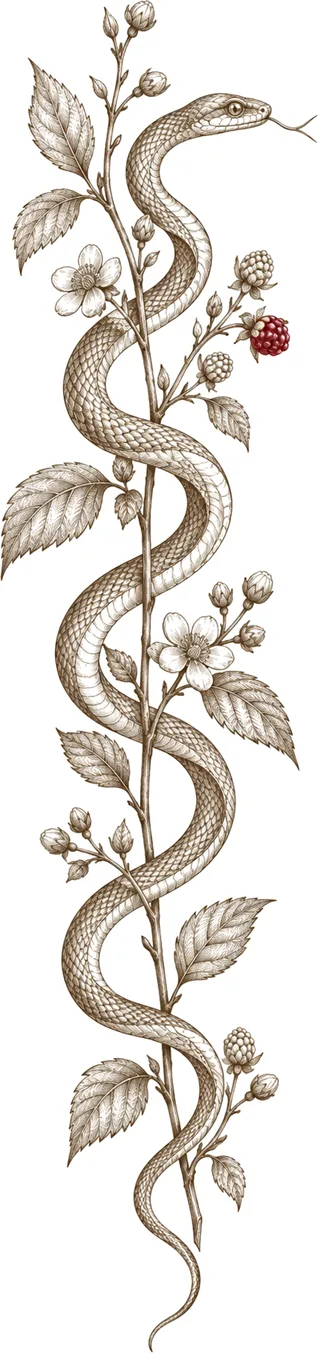
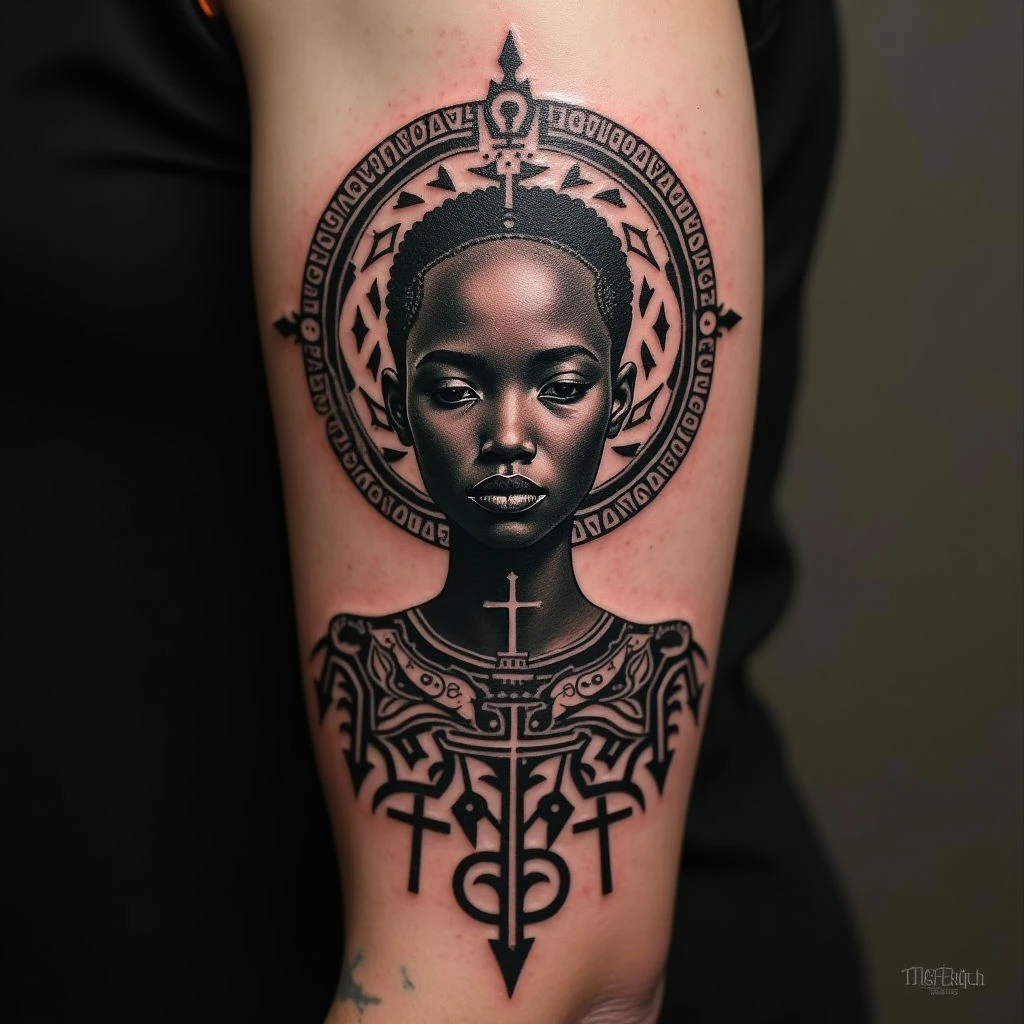
Across many African cultures, tattoos and scarification patterns hold deep spiritual meaning. They can mark tribal affiliation, signify rites of passage, offer protection from spirits, or honor ancestors. Geometric patterns often represent ancestral lineage and community bonds. You’ll also see animal symbols—lions for strength, eagles representing spiritual ascent, and snakes symbolizing wisdom.
Ultimately, the meanings behind these religious symbols are deeply personal and culturally specific. It's essential to understand their significance before committing to a tattoo.