Henna’s been a tradition for centuries—a beautiful form of body art across cultures, often tied to celebrations and blessings. But there's more than just pretty patterns at play; it's steeped in symbolism.
Common Henna Symbols & Their Meanings
Let’s explore some of the most recognizable motifs and what they represent. It's fascinating to see how these symbols weave stories onto skin.
Paisley (Buta)
Originating in Persia, the paisley symbol—also known as Buta—is a powerful emblem of fertility, abundance, and hope. You'll often find it featured prominently in South Asian henna designs.
Floral Patterns
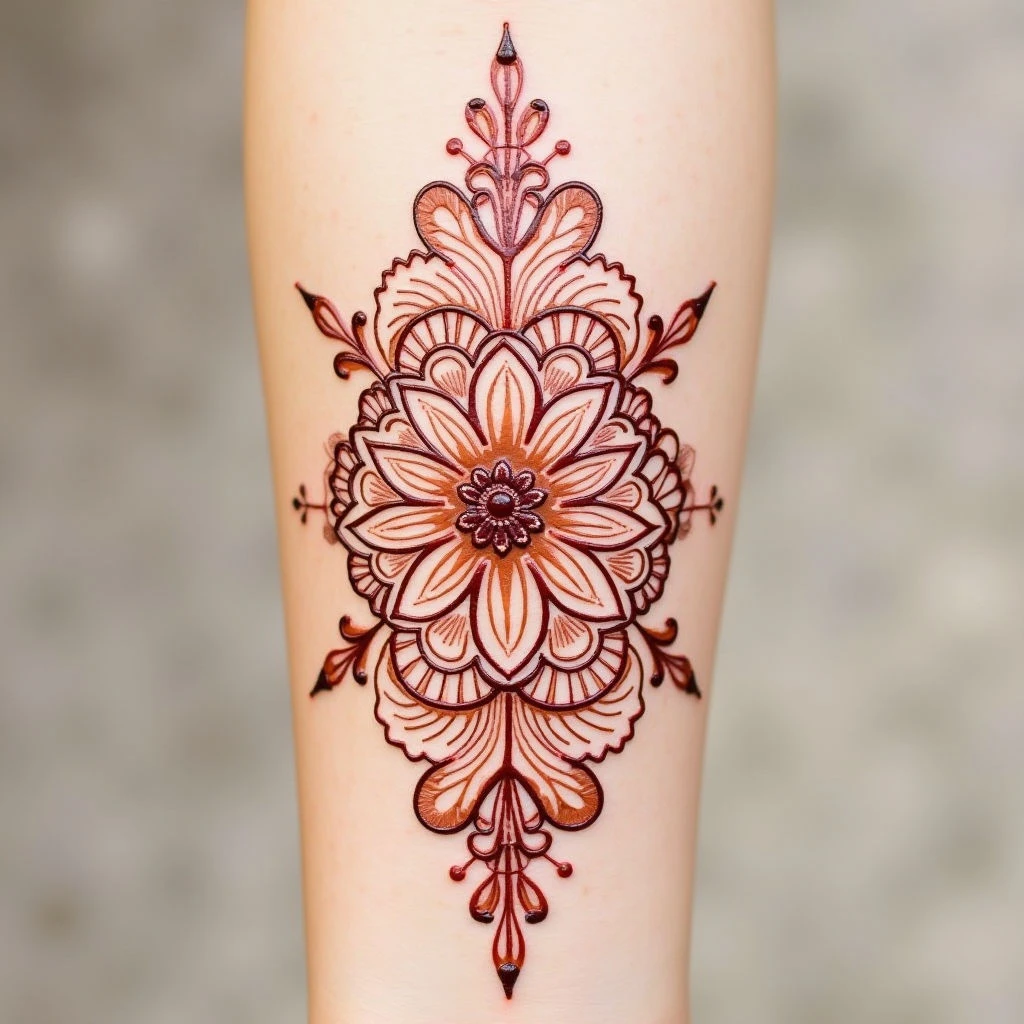
Flowers are a classic choice, representing joy, prosperity, and beauty. The specific flower chosen can carry its own special meaning—roses, for example, often symbolize love and passion.
Geometric Shapes
Intricate geometric patterns aren't just visually appealing; they’re used to create balance and harmony. They can also represent a sense of unity and connection.
Peacock Feathers
Symbolizing grace, beauty, and protection, peacock feathers are frequently incorporated into henna designs, especially for weddings and other significant events.
Hands & Feet
The placement of the design matters too. Applying henna to hands and feet is believed to bring blessings and good fortune to the wearer.
Regional Variations
The meanings behind these symbols aren't universal; they shift depending on the region. For instance, in Morocco, you’ll often see intricate circular patterns representing a desire for abundance and protection.
Indian henna designs frequently feature images of deities or animals—each carrying its own symbolic weight. Ultimately, henna designs are deeply personal expressions of culture, tradition, and individual beliefs.