For many, religious tattoos are more than just ink; they’re a visible expression of faith and a personal spiritual journey. These designs—from ancient symbols to modern interpretations—carry stories of devotion, hope, and connection.
A History Rooted in Belief
The practice isn't new. Throughout history, different cultures have used tattoos to mark important moments, show status, or simply declare their beliefs. Think about the early Christians facing persecution; a simple fish—the Ichthys—became a secret way to identify each other in dangerous times.
Diverse Designs Across Faiths
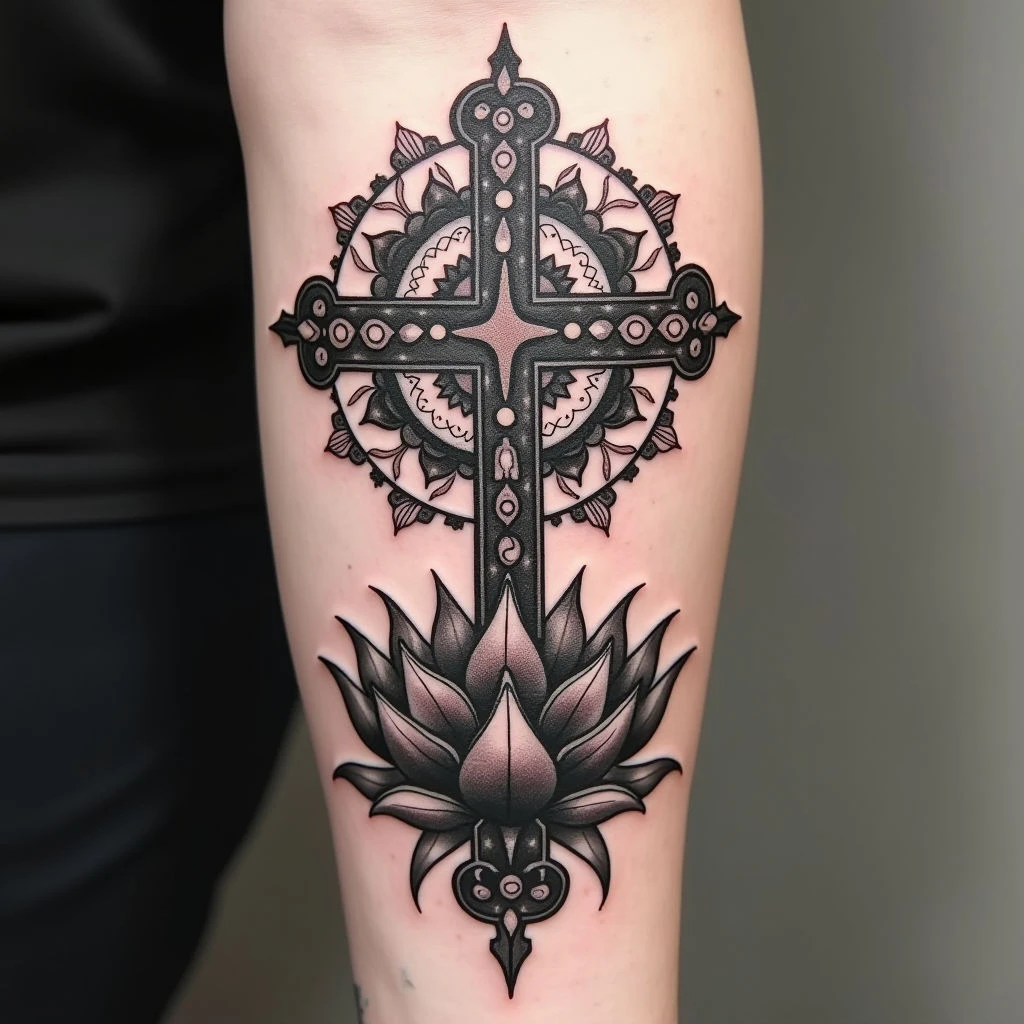
Today, the designs are incredibly varied, reflecting a wide range of faiths and personal convictions. Christian tattoos often feature crosses—a symbol of sacrifice—or angels representing divine messengers, sometimes even scenes directly from scripture.
Beyond Christianity
Buddhist designs frequently incorporate mandalas, those intricate geometric patterns symbolizing enlightenment. Lotus flowers—representing purity and rebirth—are also common. For those of Jewish faith, Hebrew script, often verses from the Torah, carries deep meaning.
A Deeply Personal Commitment
Getting a religious tattoo is intensely personal. It’s more than just body art; it's a declaration of commitment to your beliefs—an invitation to explore spirituality, connect with tradition, and express yourself authentically.