
Samoan tribal tattoos, or tatau, are so much more than just body art. They're a deep expression of cultural identity, family history, and spiritual beliefs—a tradition that runs incredibly deep.
A Legacy Rooted in Tradition
Before Western influence arrived, the application of tatau was a carefully guarded process. Skilled artisans used tools crafted from bone, turtle shell, and wood—each tool carrying its own significance. Getting a tattoo wasn’t just about aesthetics; it was a major rite of passage, overseen by experienced tufuga (tattoo artists). The designs themselves weren't random either; they held specific meanings passed down through generations.
Symbolism Woven into the Ink
Let’s look at some of the common motifs you'll see. They aren't just decorative; they tell a story.
Waves (Fala)
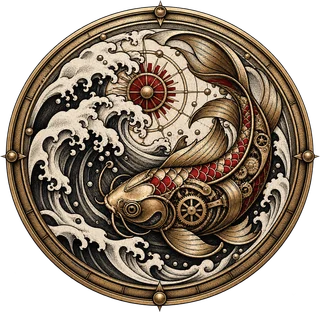
The recurring image of waves, or fala, represents the immense power of the ocean and the vital connection to one’s ancestors—a constant reminder of where we come from.
Geometric Patterns (Pola)
You'll also notice intricate geometric patterns, known as pola. These designs often symbolize family lineage, social standing within the community, and a sense of spiritual protection—a visual representation of one’s place in the world.
Animals & Spirits
Finally, depictions of animals and ancestral spirits are common. These motifs embody strength, courage, and guidance from those who came before us.
Modern Interpretations & Respecting the Culture
While traditional tatau are still practiced with deep reverence, modern interpretations often find ways to incorporate personal elements. However, it’s absolutely essential that anyone considering a Samoan tribal tattoo understands and respects the rich cultural significance behind these designs.