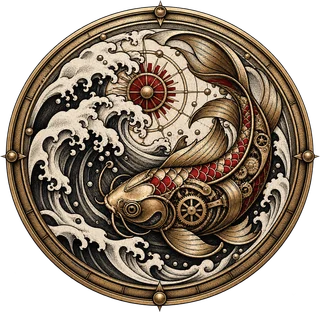
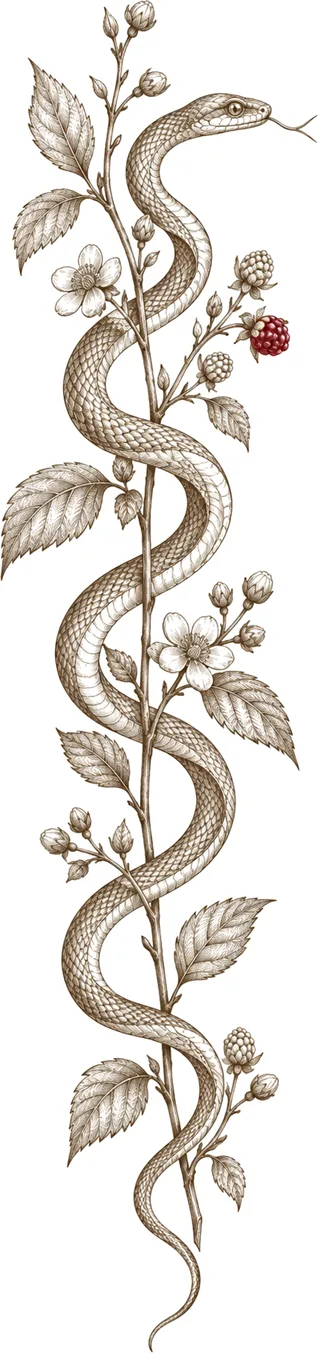
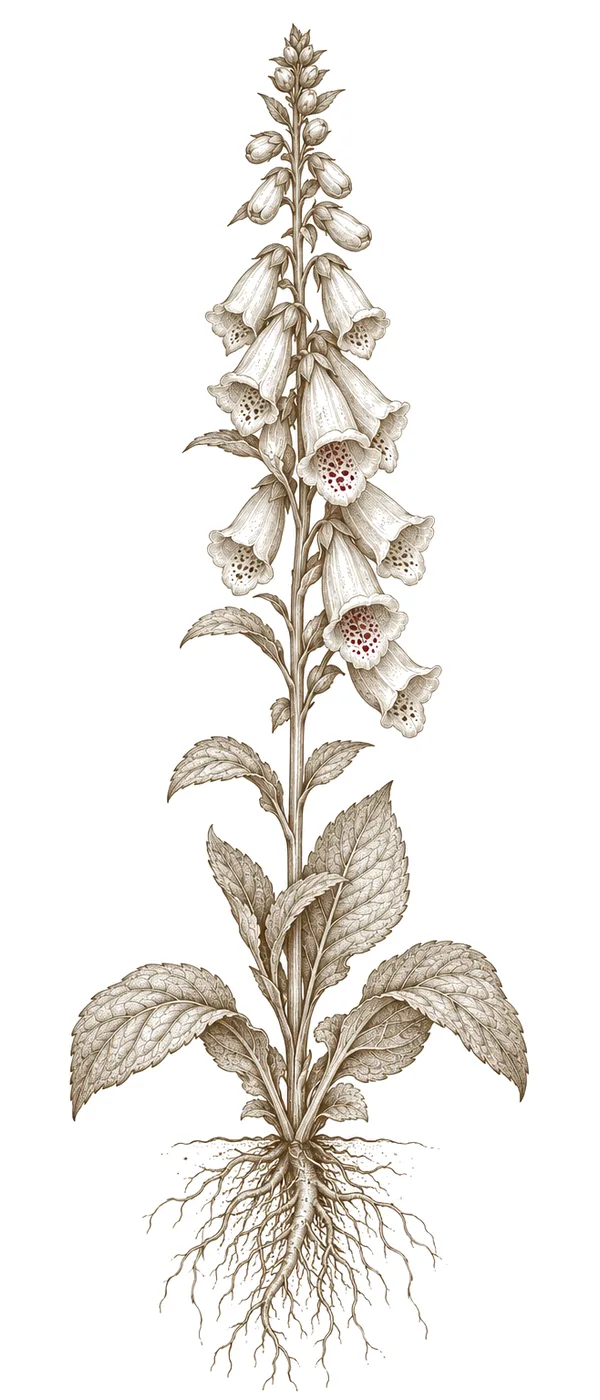

A good tattoo isn't just ink on skin; it’s a narrative etched in permanence—a story whispered of identity, memory, and aspiration. But what truly defines a 'good' design?
The Core Elements
Beyond aesthetics, a great tattoo comes down to symbolism, style, composition, and the connection with your artist. Let's break it down.
Symbolism: The Meaning Behind the Image
Every image carries weight. A lotus, for example, represents rebirth; a serpent, transformation. Understanding these ingrained meanings—or even creating your own—is key. Think about it: a skull doesn't always signify mortality; sometimes, it embodies overcoming adversity.
Style: Defining the Look and Feel
What aesthetic draws you in? The bold lines of traditional Americana? The delicate realism of a portrait? Perhaps the flowing colors of watercolor or the sharp precision of dotwork. Your chosen style dictates not only the look but also how well it will age.
Neo-traditional styles offer nuanced color palettes, while blackwork embraces stark contrast—each creating a distinct visual impact.
Composition: Balance and Placement
A well-balanced design flows with the body’s contours. Consider placement carefully—a sprawling botanical illustration might look stunning on an arm, while a minimalist symbol could be elegant behind the ear.
Don't overlook negative space; it contributes significantly to the overall impact of the piece.
The Artist: A Collaborative Vision
Ultimately, choosing the right artist is paramount. Their skill isn't just about technical ability; it’s about a shared vision. A talented artist will not only execute your idea but also offer insights, refine the design, and ensure it remains timeless.